Learning about insects: Facts, Hands-On Activities, and Creative Crafts
Insects come in many shapes, sizes, and colors, and they can be found almost everywhere. As we learned about insects, we discovered what makes them different from other animals, explored their life cycles, and learned how they help our world. As we studied, we read books, completed fun worksheets, observed insects outdoors, did some crafts and learned interesting facts about some of our favorite insects, including grasshoppers, dragonflies, butterflies, bees, fireflies, ants, and ladybugs. Here are some of the things we learned along the way!
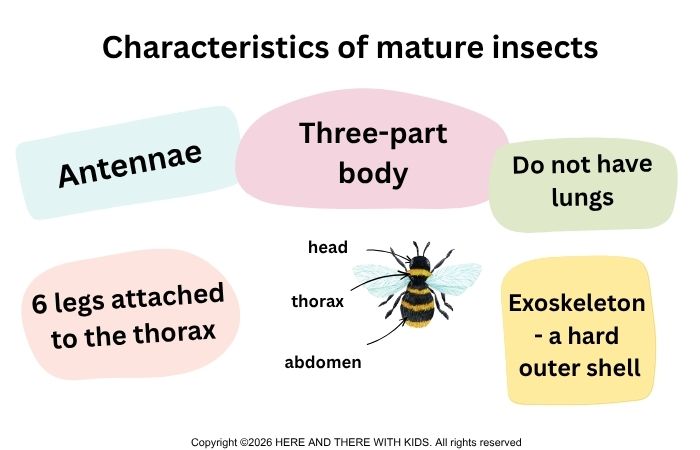
During our insect study, we learned about the important characteristics that make insects unique from other animals. We discovered that all insects have six legs, three main body parts, antennae, and a hard outer covering called an exoskeleton that protects their bodies. We also explored how these special features help insects move, sense the world around them, and survive in different environments.
Fireflies
As we learned about fireflies, we discovered that they thrive in warm, humid places near water, such as marshes, wetlands, and damp forests. A forest filled with fireflies glowing in the dark looks almost magical. We also discovered that some fireflies work together in an incredible way. In parts of Southeast Asia, certain species flash their lights at the same time. One group begins to glow, and nearby fireflies quickly match the rhythm, creating beautiful waves of light that move through the trees.
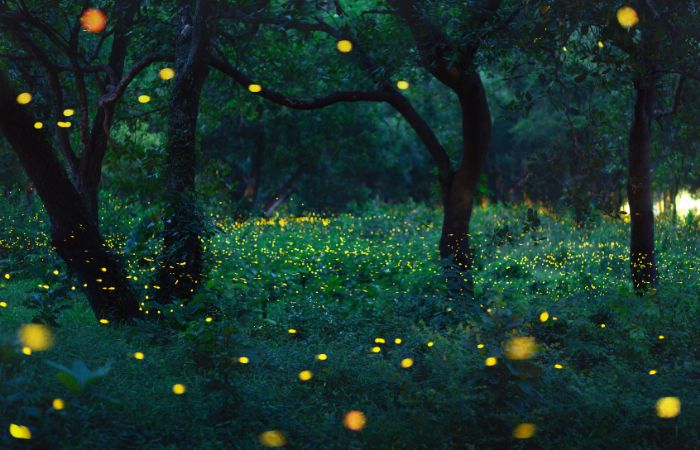
The light that a firefly makes is called bioluminescence. Special organs in the firefly’s abdomen produce a cool light without creating much heat. Fireflies flash their lights to communicate with one another. Each species has its own unique flashing pattern that helps males and females find each other. They may also use their light to warn predators that they do not taste good.
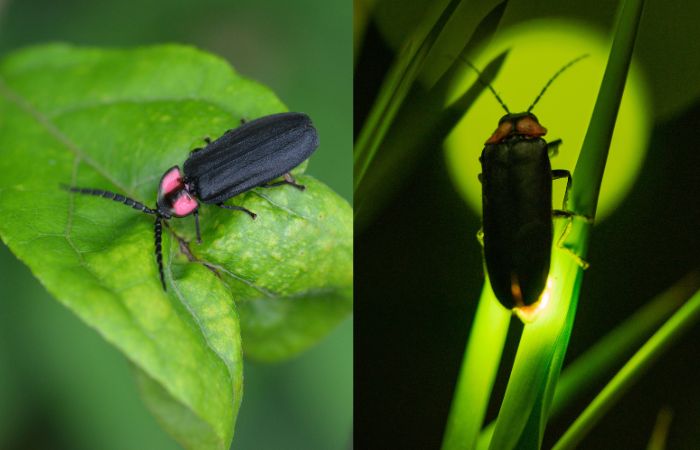
As we continued learning about fireflies, we discovered so many fascinating facts about their life cycle. We learned that not all fireflies can fly. In some species, the females do not have wings.
We also learned that female fireflies lay their eggs in moist soil or beneath leaves. After the eggs hatch, the larvae—often called glowworms—spend many months growing in damp places. During this time, they feed on snails, slugs, and worms, and they can glow just like adult fireflies. Eventually, the larvae form a pupa and go through complete metamorphosis before emerging as adult fireflies. Adult fireflies live for only about one to four weeks, feeding on nectar and pollen or, for some species, eating very little at all.
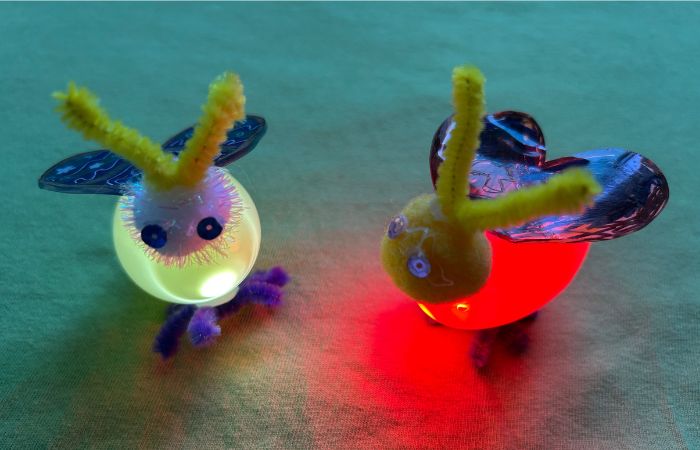
To make these glowing fireflies, we used plastic Easter eggs, pipe cleaners, Shrinky Dinks plastic sheets, colorful Sharpie markers for the wings, two pom-poms, small LED lights from a KiwiCo box (tea lights should work too), and a hot glue gun. The kids had so much fun playing with them!
Grasshoppers
As we learned about grasshoppers, we discovered that these insects live in fields, gardens, forests, and meadows. Their long, powerful back legs help them to jump many times the length of their own bodies. This helps them escape predators and move quickly through tall grass. Although many grasshoppers can fly short distances, they usually travel by hopping from place to place.
We also learned that grasshoppers are herbivores, which means they eat plants such as grasses, leaves, flowers, and crops. As we studied their role in nature, we discovered that they are an important food source for birds, frogs, spiders, and many other animals.
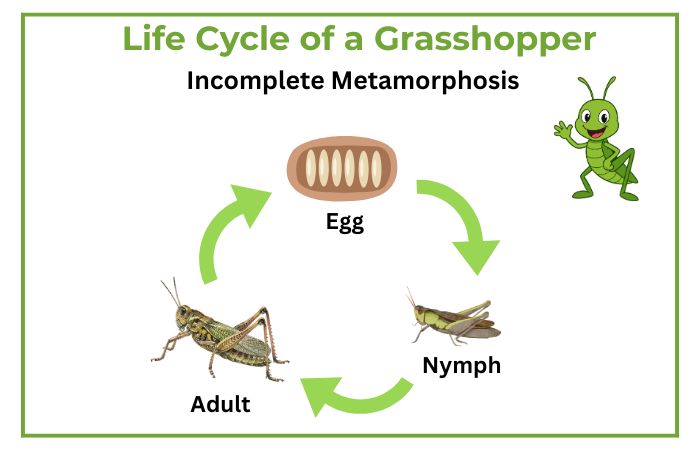
As we continued learning about grasshoppers, we discovered how they grow and change throughout their lives. We learned that a female grasshopper lays her eggs in the soil. When the eggs hatch, tiny grasshoppers called nymphs emerge. The nymphs look like miniature adults but do not have wings. As they grow, they shed their outer covering several times before becoming fully grown adults with wings.
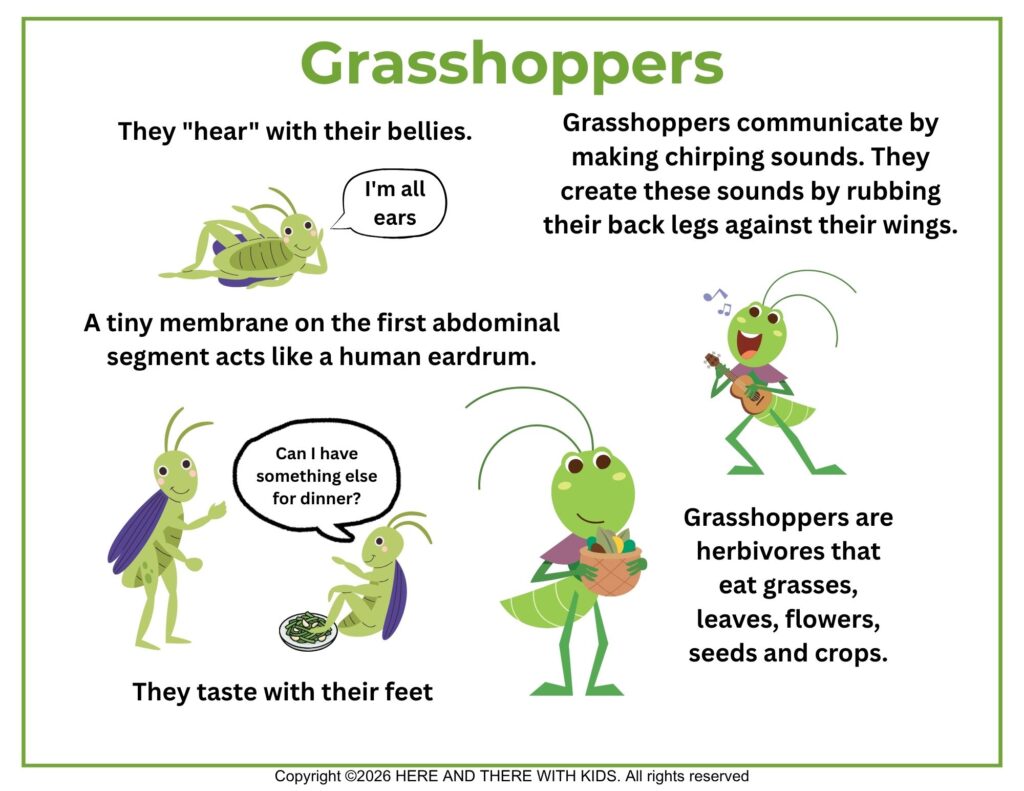
We also learned that grasshoppers communicate by making chirping sounds. They create these sounds by rubbing their back legs against their wings. These chirps help them attract mates and communicate with other grasshoppers.
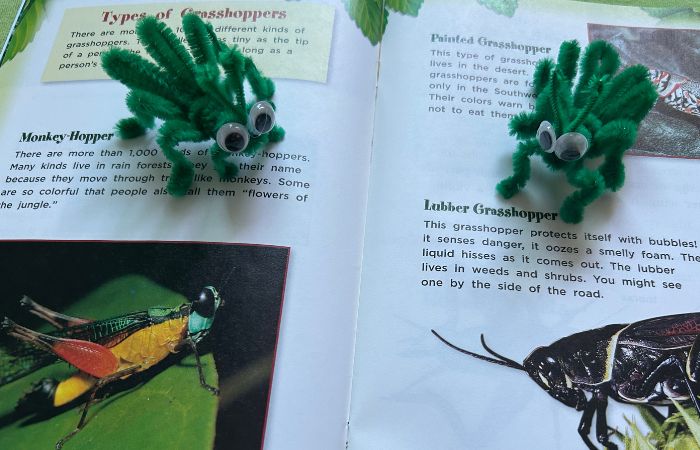
After reading a book about grasshoppers and learning about their life cycle, we had fun making our own grasshopper crafts. It was a great way to reinforce what we had learned while getting creative together.
We used several green pipe cleaners, googly eyes, and a hot glue gun to make cute little grasshoppers.
Ladybugs
While exploring the world of insects, we spent some time learning about ladybugs and discovered many interesting facts about these small beetles. We learned that ladybugs have round, dome-shaped bodies with colorful wing covers that can be red, orange, yellow, or black. Although many ladybugs have black spots, we found out that the number of spots does not show their age—it is a feature that varies between different species. There are more than 6,000 species of ladybugs around the world.
To bring our learning to life, we purchased a container of live ladybugs from a local garden store (ladybug-growing kits are also available from Insect Lore). Our container held about 750 ladybugs. Before releasing them, we learned that the best time to open the container is in the evening because ladybugs do not fly in the dark. This gives them time to settle onto nearby plants instead of immediately flying away.
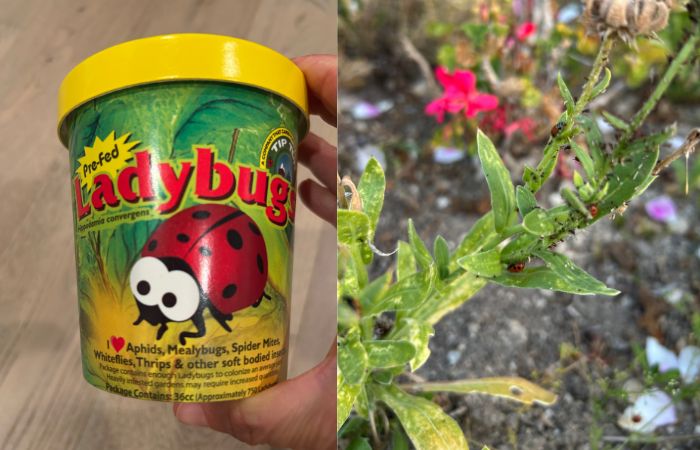
Ladybugs are very helpful to gardeners and farmers because they eat insects that damage plants. Their favorite food is aphids, but they also eat mites, whiteflies, scale insects, and insect eggs. Both adult ladybugs and their larvae are excellent hunters.
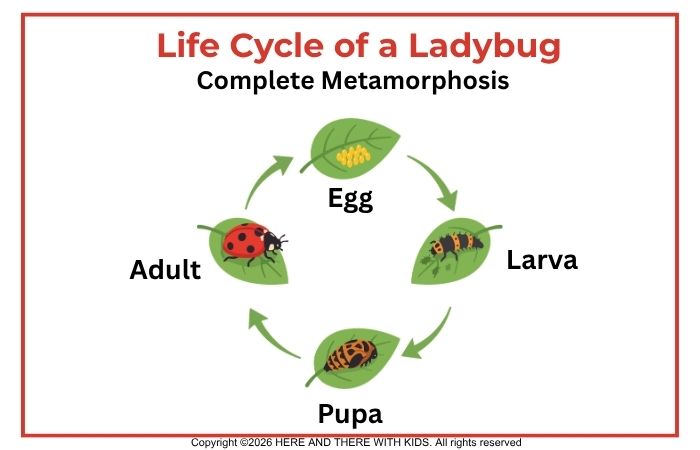
A female ladybug lays clusters of tiny yellow eggs on the underside of leaves near aphid colonies. Ladybug larvae look nothing like adult ladybugs. The larvae have long, dark bodies with orange or yellow markings and spend several weeks eating aphids. After growing, they attach themselves to a leaf and form a pupa.
While learning about ladybugs, we discovered that these little insects have some interesting ways to protect themselves. We learned that their bright colors help warn predators that they may not be a tasty meal. When they feel scared, ladybugs can release a yellow liquid from their legs that has a strong smell and an unpleasant taste. This helps keep many predators away. We also learned that some ladybugs can protect themselves by staying still and pretending to be dead until they are safe.
We also explored how ladybugs survive during the winter. Instead of staying active in the cold weather, many ladybugs gather together in groups and find sheltered places, such as under leaves, inside tree bark, beneath rocks, or even inside buildings. When spring arrives, they become active again and begin searching for food and mates.
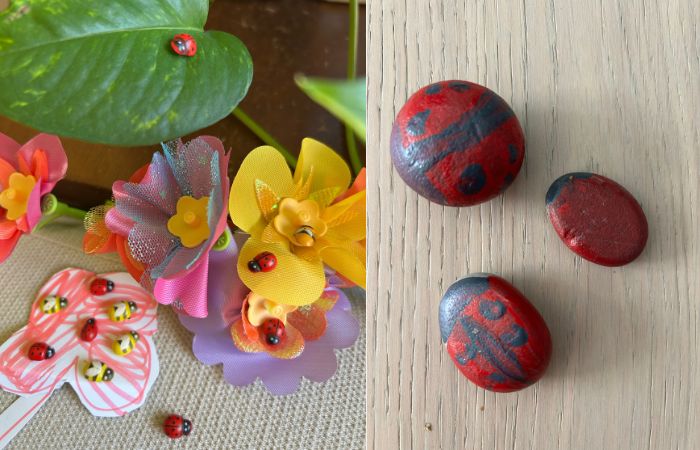
For this fun ladybug craft, we transformed smooth rocks into cheerful ladybugs by painting them red and adding black spots and little heads. The kids also enjoyed decorating various items with tiny wooden ladybug and bee stickers.
Dragonflies
As we explored dragonflies, we learned that these insects have incredible flying abilities. We discovered that dragonflies can move through the air in many ways, including flying forward, backward, and sideways. They can also stop and hover in one place while looking for food. Their quick movements and speed allow them to catch other insects while flying. Dragonflies can reach speeds of up to 36 miles per hour, making them the fastest insects on Earth.
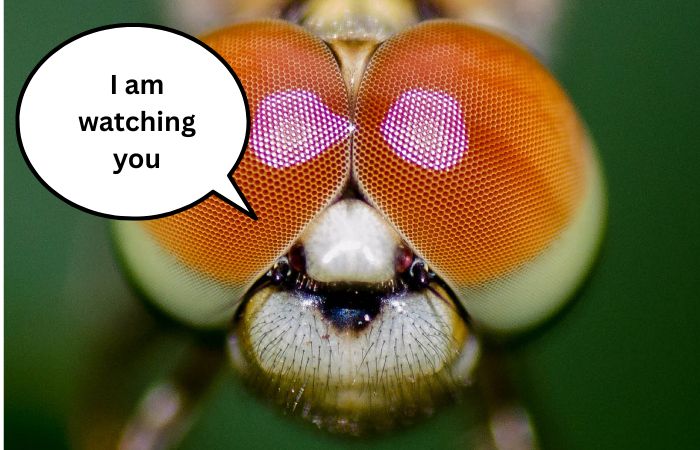
We also learned that dragonflies have a special type of vision. Their large compound eyes cover most of their head and contain thousands of tiny lenses. Some dragonflies have up to 30,000 lenses, which helps them see a wide area around them and quickly notice movement.
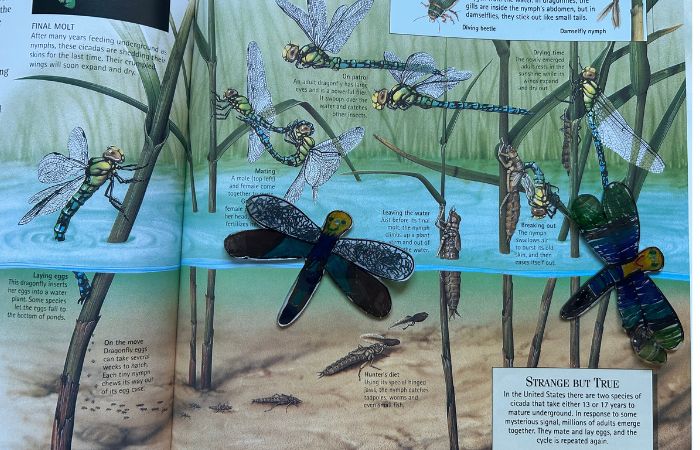
A female dragonfly lays her eggs in water or on plants near water. When the eggs hatch, young dragonflies called nymphs live underwater. Each nymph lives in the water for up to five years before it is ready to become an adult. It hunts small creatures like mosquito larvae, tadpoles, and even small fish.
When a dragonfly nymph is fully grown, it climbs out of the water and swallows air to split open its old skin. Then the adult dragonfly slowly emerges and rests in the sunshine while its wings dry.
Adult dragonflies typically live for about 1 to 8 weeks. They eat mosquitoes, flies, moths, butterflies, bees, and sometimes even smaller dragonflies.
We used Shrinky Dinks plastic sheets to make colorful dragonflies. First, we drew and colored the dragonflies with Sharpie markers. Then we cut them out and punched a hole for a key chain. Finally, I used a heat gun in a safe area away from the children to heat the Shrinky Dinks. They shrank to about half their original size, becoming thicker and sturdier. The clear plastic resembles the transparent wings of a dragonfly, giving our crafts a light, delicate, and airy look.
Through books, observations, and hands-on crafts, we discovered that insects come in many shapes, sizes, and colors. Each insect has special adaptations that help it find food, stay safe, and survive in its environment.
To make learning about insects more fun, I created the Fun Insect Book for Kids. It was wonderful to see the kids giggle as they read through the book. When we found a grasshopper outside, they even remembered fun facts they had learned from it!
Subscribe to our Newsletter
Thank you!
You have successfully joined our subscriber list.
This post contains affiliate links, which means I earn a small commission if you buy through them, at no extra cost to you.