Learning about India
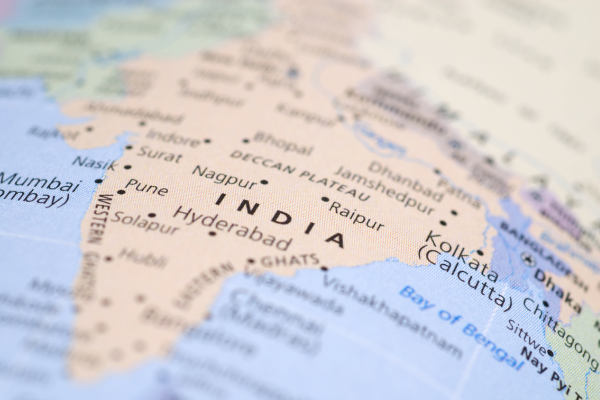
The word India comes from the name of one of the nation’s largest rivers, the Indus. With 1.2 billion people, India is the world’s second most populous nation after China.
We drew a map of India on a huge piece of paper, and as we explored different places and traditions, we added them to our map.
We learned that India is a country with many languages and a rich cultural heritage. Hindi and English are widely used, while 22 languages are officially recognized in the Constitution.
We read about three of India’s largest cities: Mumbai, Delhi, and Kolkata. Mumbai has a population of about 18.4 million and is the financial capital of India, famous for Bollywood, busy markets, and its beautiful coastline. Delhi has a population of about 16.3 million and is the capital city, known for its historical monuments, government buildings, and rich culture. Kolkata has a population of about 14.1 million and is famous for its literature, art, music, and colonial history.
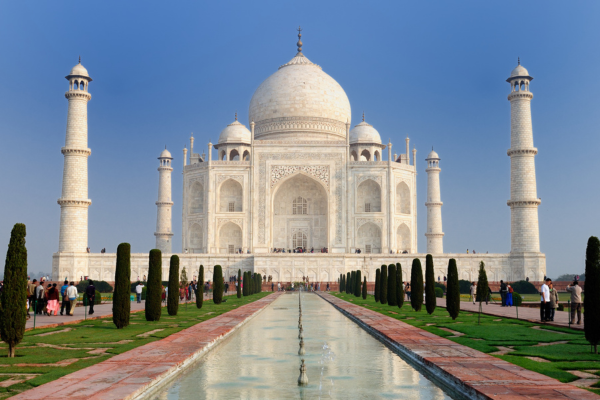
We learned that India has many famous historical and cultural landmarks. The Taj Mahal, located in Agra, is one of the country’s best-known monuments and is recognized as a UNESCO World Heritage Site. It was built by the Mughal emperor Shah Jahan in memory of his wife, Mumtaz Mahal, and was completed in 1653.
We discovered that the British ruled India for nearly 200 years, from the 18th century until 1947. The East India Company first gained control over parts of India through trade, battles, and political agreements. We also read how leaders such as Mahatma Gandhi and Jawaharlal Nehru helped lead the independence movement. India gained independence from British rule on August 15, 1947.
Geography
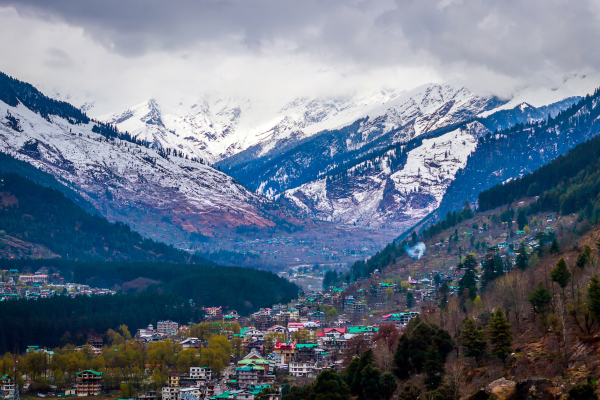
India has a remarkable variety of landscapes. The Himalayan Mountains lie in the north and include some of the world’s highest peaks. The name Himalaya comes from two ancient Sanskrit words: hima, meaning “snow,” and alaya, meaning “home.” The country also has large plains, forests, deserts, rivers, plateaus, and long coastlines.
The Ganges, Yamuna, Brahmaputra, and other major rivers are important to India’s agriculture and communities. The plains through which these rivers flow are fertile and green. India also has beautiful beaches and islands, including the Andaman and Nicobar Islands.
We studied some of India’s national symbols and found out that the national animal is the tiger and the national bird is the peacock.
We learned about the important role cows play in Indian culture. About one-quarter of the world’s cows live in India. Cows are considered sacred by many Hindus because of their importance in Hinduism and Indian culture. They are often seen as symbols of motherhood, kindness, and generosity because they provide milk and other useful products. During a Hindu festival called Gopashtami, cows are decorated with flowers and ribbons.
Elephants
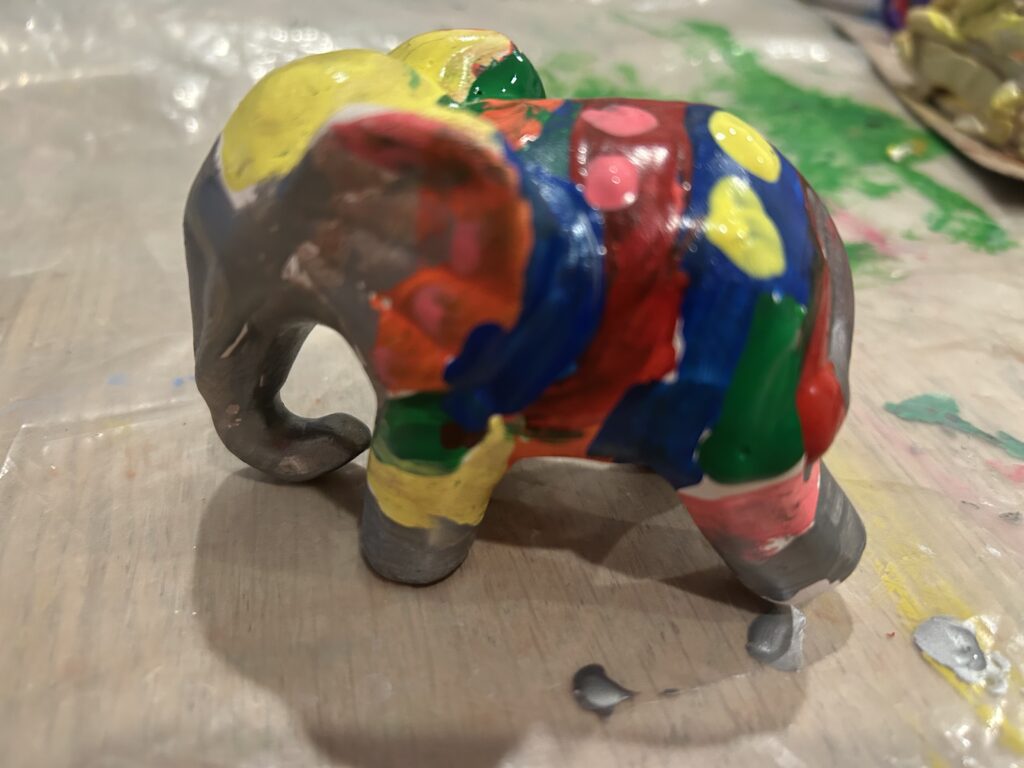
We discussed why elephants are highly respected in India and their importance in Indian culture, religion, and history. In India Ganesha, the elephant-headed god is associated with wisdom, good fortune, and removing obstacles. We also looked at how elephants have been symbols of strength, power, and wealth and continue to appear in festivals, temple ceremonies, and artwork. We talked about India’s wild Asian elephants and their importance to the natural environment.
As part of our activities, we painted little clay elephant sculptures. They turned out very cute!
Culture and Traditions
Indian culture is known for its incredible diversity. People across the country celebrate many different festivals, wear traditional clothing, practice different religions, and speak numerous languages.
Diwali, known as the Festival of Lights, is one of India’s most widely celebrated festivals. Holi is famous for its colorful celebrations, where people come together to celebrate with bright colors, music, and dancing.
Indian music and dance also have a long and rich history. Classical dance forms include Bharatanatyam, Kathak, Kathakali, Odissi, and Kuchipudi. India also has many forms of folk music and dance that vary from state to state. Traditional Indian dances often tell stories through expressive gestures, facial expressions, and special movements.
It was fun to dress up and learn some Bollywood dances. We found some tutorials online and followed along with the dances. Here is one of them:
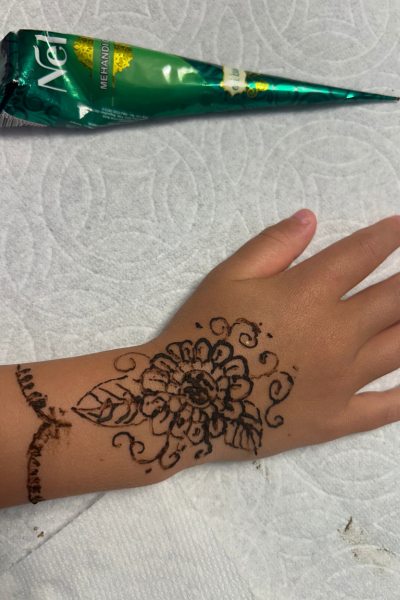
We also got some henna and tried painting designs on our hands. Henna, also called mehndi, is an ancient form of body decoration that has been used for thousands of years in India and other parts of South Asia, the Middle East, and North Africa. In India, it is especially popular during weddings and festivals. Brides often have their hands and feet decorated with beautiful designs made from henna paste. Mehndi symbolizes beauty, happiness, good luck, and celebration.
We read that India is the birthplace of four major world religions: Hinduism, Buddhism, Jainism, and Sikhism. Nearly one billion Indians follow Hinduism, more than one hundred million follow Islam, and many millions more are Christian, Sikh, or follow other religions.
We visited a nearby Hindu temple to learn more about its traditions, beliefs, and culture.
Yoga
We learned that yoga is an ancient practice that began in India more than 5,000 years ago. We found out that the word yoga comes from the ancient Sanskrit word yuj, meaning “to unite.” Yoga connects the body, mind, and breath through physical poses, breathing exercises, and meditation. We had fun learning and practicing some yoga poses together.
Chess
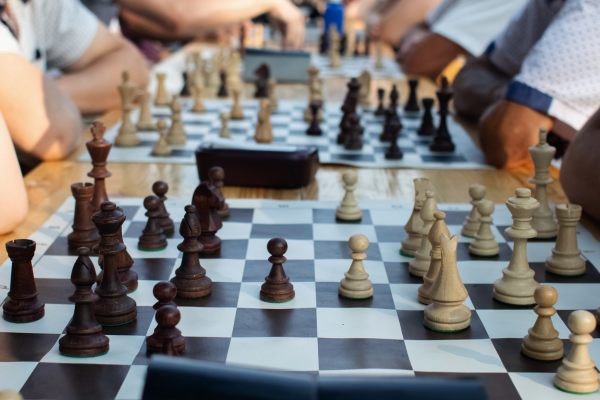
We discovered that this popular game, played by people all over the world, originated in India. Chess originated in India around the 6th century. Its earliest known form was called chaturanga, a game that represented the four divisions of an ancient Indian army: infantry, cavalry, elephants, and chariots. The game later spread to Persia and then to other parts of the world. Over time, the rules changed, and modern chess developed.
Arts
We read about Rangoli, a traditional Indian art form made by creating colorful patterns on the floor. Rangoli designs can be made using colored powders, rice, flower petals, or sand and are often created during festivals such as Diwali and Pongal. We had fun doing chalk art and creating our own Rangoli designs.
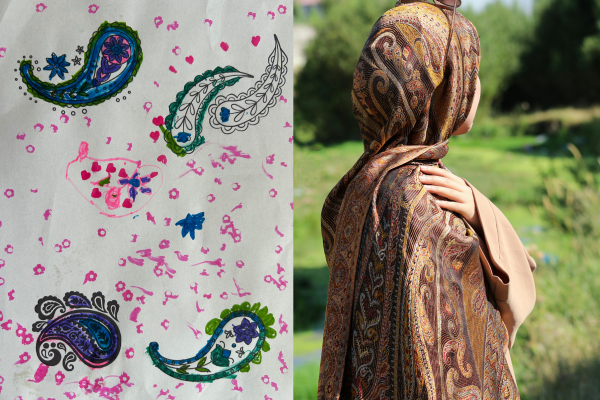
We explored the history of the paisley pattern, a beautiful design shaped like a curved teardrop and often decorated with flowers, leaves, and other details. In India, it is commonly known as the ambi or mango pattern because its shape resembles a mango.
We found out that the design has a long history and is believed to have originated in ancient Persia. It later became popular in India, especially in Kashmir, where it was used to decorate traditional shawls. During the 18th and 19th centuries, paisley shawls became very popular in Europe. The Scottish town of Paisley saw an opportunity to manufacture these shawls and became famous for producing paisley designs, giving the pattern its English name.
Today, paisley is used in clothing, textiles, jewelry, and home decorations around the world. We also discovered a fun connection to music history: John Lennon of the Beatles had his Rolls-Royce custom-painted with colorful floral and paisley designs.
Food
We found out that Indian food is very diverse, and almost all Indian dishes use spices.
We looked at some of the spices commonly used in Indian cooking, including turmeric, cumin, cardamom, cloves, ginger, coriander, and chili. We had fun playing a spice-smelling game. We placed the spices in a row, and with our eyes closed, we tried to identify each one just by its smell.
We also talked about rice, which is an important staple food in India. Rice is grown in flooded fields, and India is one of the world’s largest rice producers.
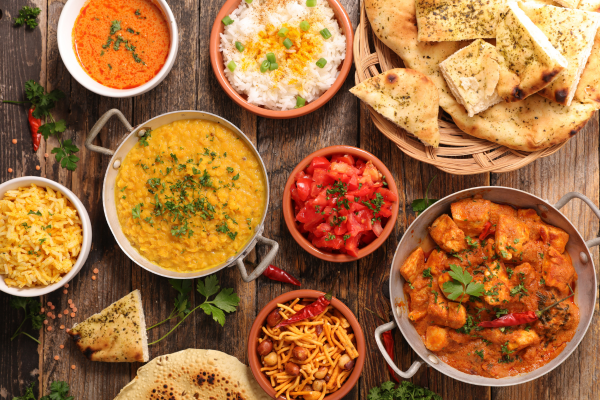
We tried naan, samosas, and dal, and I also made some Indian curry. As we explored Indian food, we found out that “curry” is not the name of one traditional Indian dish. The British popularized the word as a general term for many different Indian dishes. In the late 18th century, British cooks and officials began creating curry powders as a convenient way to recreate some of the complex flavors of Indian cooking at home.
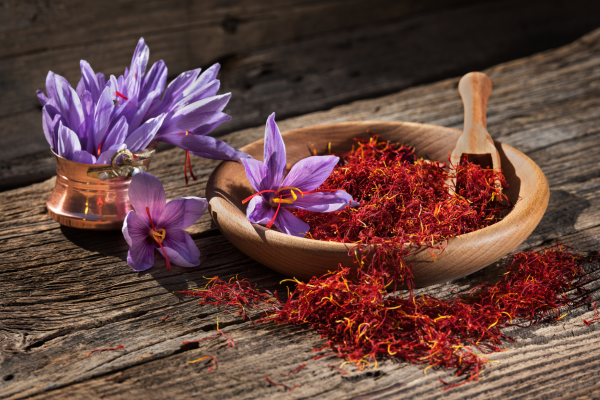
We also learned about saffron, a valuable spice grown mainly in Kashmir, India. It comes from the delicate purple flowers of the saffron crocus and is known for its bright color, distinctive aroma, and rich flavor. It takes about 150–200 saffron flowers to produce just 1 gram of dried saffron. Each flower has only three red stigmas, which are carefully picked and dried to make the spice. Because saffron is difficult to grow and harvest, it is one of the most expensive spices in the world.
Modern India
India has developed rapidly in recent decades and has major industries in information technology, manufacturing, agriculture, pharmaceuticals, telecommunications, and space research.
India has also made significant achievements in space exploration. The Indian Space Research Organisation has launched many satellites and carried out important missions to explore the Moon and other planets.
As we explored India, we discovered a country where ancient traditions and modern life exist side by side. We looked at its rich history, many languages, religions, delicious food, colorful festivals, beautiful architecture, and diverse landscapes. From the snow-covered Himalayas to the tropical southern coast, we discovered a remarkable variety of people, places, and experiences.
Through our activities and discussions, we gained a greater appreciation for India’s rich cultural heritage.