Learning about France
France is a beautiful country in Europe, filled with history, culture, amazing food, traditions, and fun adventures!
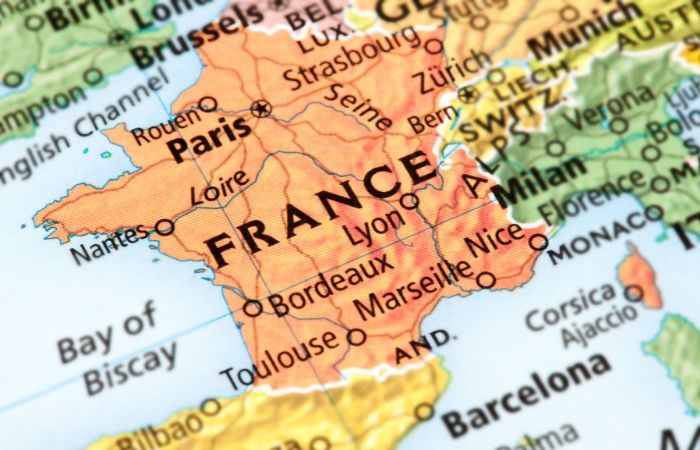
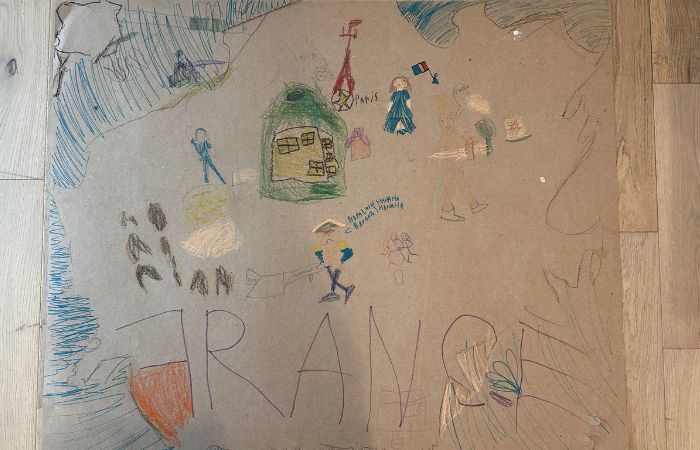
We started learning about France by getting a large piece of free cardboard from Costco. We drew an outline of France on it. France is sometimes called “the Hexagon” because the shape of the country looks like a six-sided figure. As we were learning about France and its history, my children were drawing on this map the things they learned.
PARIS
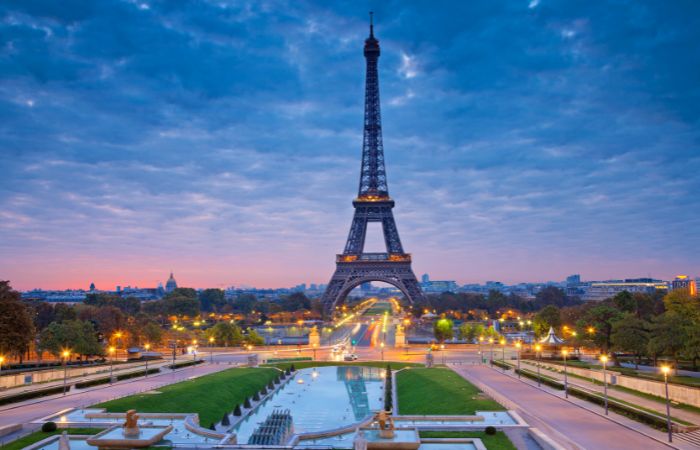
One of the most famous places in France is the Eiffel Tower in the city of Paris.
It was built for the World’s Fair of 1889. The tower was designed by engineer Gustave Eiffel and his team. Construction started in 1887 and took about two years to complete. When it was first built, many people in France did not like the Eiffel Tower. It faced strong opposition from many of France’s cultural elite, who condemned it as an industrial eyesore that clashed with Paris’s classical architecture.
The tower was initially intended as a temporary structure, but Eiffel promoted its scientific value, using it for meteorological observations and later for early radio transmissions.
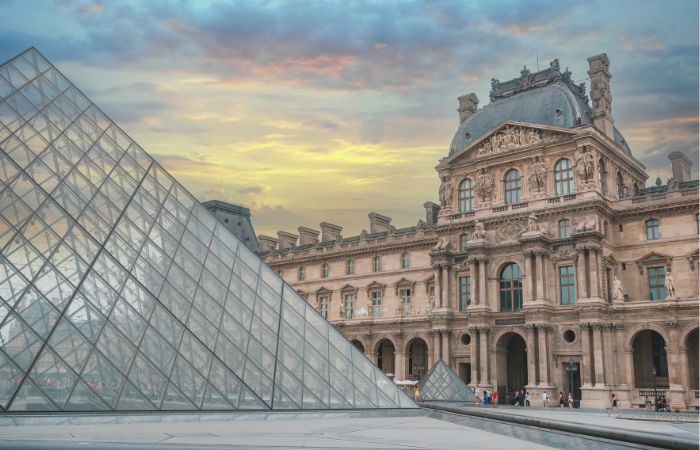
Another exciting place is the Louvre Museum, where the famous painting the Mona Lisa is displayed. Originally, the Louvre was built in the 1100s as a fortress to protect the city. Over time, it was transformed into a royal palace where French kings and queens lived. After the French Revolution, the palace became a public museum in 1793. Interestingly, the entrance to the museum was designed by a non-French architect and was installed in 1989, creating a lot of controversy, just like the Eiffel Tower did when it was first built. Now it is an iconic landmark and is considered a masterpiece of modern architecture.
Another famous landmark is the Notre-Dame Cathedral, which has stood for more than 850 years. It is known for its beautiful stained-glass windows and sculptures of gargoyles carved from stone that decorate the roof and walls.
It became even more famous after the publication of The Hunchback of Notre-Dame by Victor Hugo in 1831. In 2019, a large fire damaged much of the cathedral in Paris. Today, it is undergoing a major restoration project to rebuild and preserve this historic landmark.
HISTORY
One of the hardest times in the history of France was the Hundred Years’ War, which began in 1337. France was nearly defeated until a 17-year-old peasant girl named Joan of Arc helped lead the French army to several important victories, including the lifting of the Siege of Orléans. By the end of the war in 1453, England had lost almost all of its territories in France.
King Louis XIV was one of the most famous kings in the history of France. He became king when he was only four years old and ruled for more than 70 years — longer than almost any other European monarch. People called him the “Sun King.”
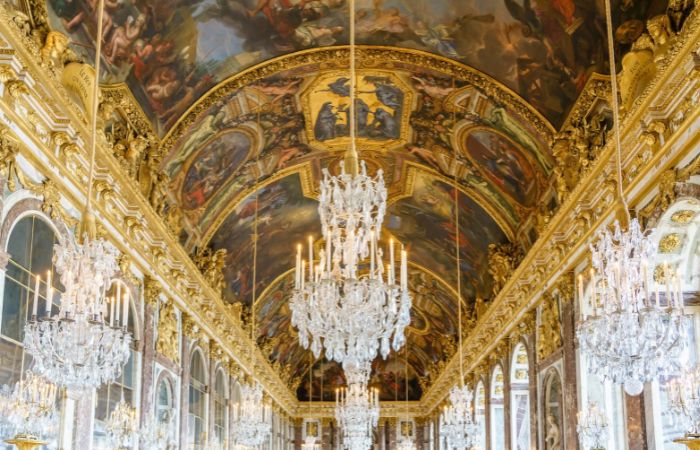
Louis XIV wanted France to become the strongest and most powerful country in Europe. During his reign, French art, fashion, and culture became famous around the world. At his request, Versailles, originally just a small village, was transformed into an enormous palace filled with elegance and beauty. He moved the royal court from Paris to the Palace of Versailles, establishing it as the political and cultural center of France.
Interesting fact: the U.S. state of Louisiana was named in honor of Louis XIV after the region was claimed for France in 1682 by the French explorer Sieur de La Salle.
In 1789, the French Revolution began. The French people rose up against the king and demanded change. As a result, the French monarchy came to an end, and France became a republic.
After years of political problems and weak leadership, a military leader named Napoleon Bonaparte gained power in 1799. In 1804, he crowned himself emperor of France. Napoleon tried to expand his empire by conquering much of Europe, but he was finally defeated in 1815 at the Battle of Waterloo.
IMPRESSIONISTS
We learned about the Impressionism movement that started more than 150 years ago in Paris. The name “Impressionism” came from one of Monet’s paintings called Impression, Sunrise. Some people made fun of the painting at first because it looked unfinished.
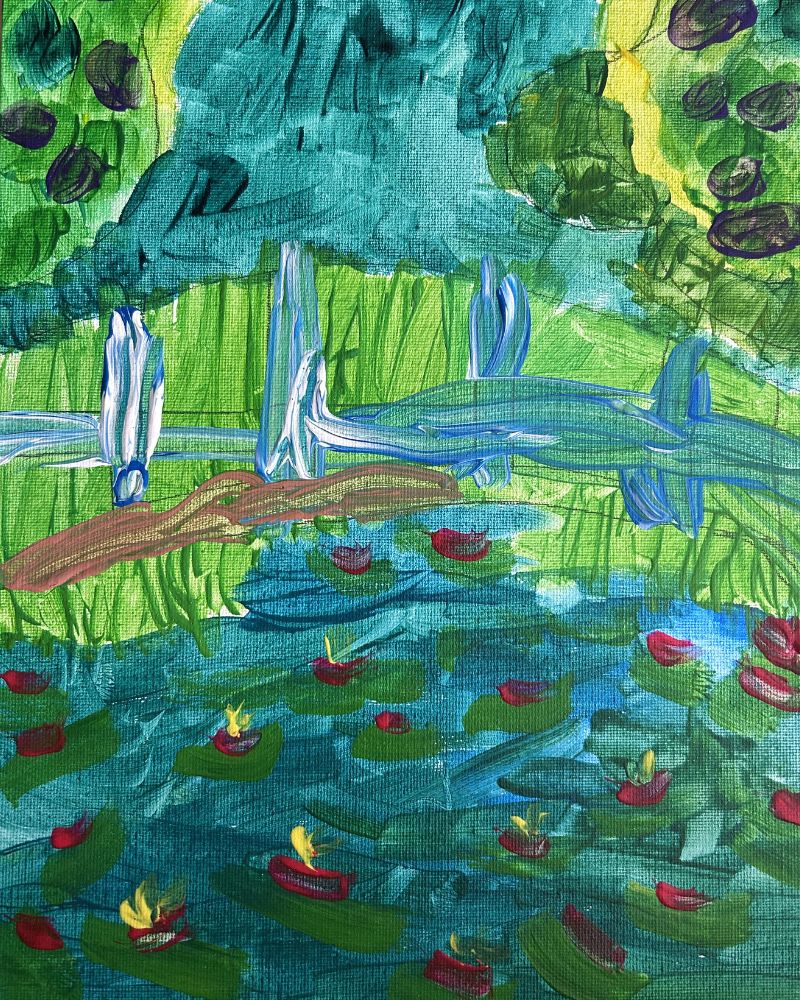
We painted our own versions of the painting Water Lilies by Claude Monet. We tried to recreate the Impressionist style by using small brush strokes and bright colors.
Another famous artist was Edgar Degas, who painted dancers and ballerinas. It was fun to draw ballerinas with chalk pastels on a piece of dark paper. They looked so bright and beautiful against the dark background.
Impressionist artists liked to paint outside instead of in studios. They wanted to capture real sunlight, weather, and movement. Painting outside is called plein air, which means “in the open air.” We packed paper, paints, and brushes, picked a nice warm day, and enjoyed painting beautiful flowers outside.
Tour de France
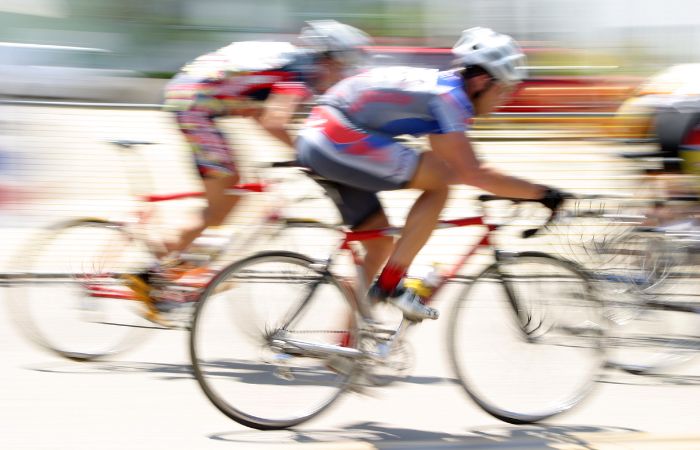
One of the most famous sporting events in France is the Tour de France. Every July, the world’s best cyclists compete in this exciting three-week bicycle race. Riders travel about 2,235 miles (3,600 kilometers) through France and nearby countries. First held in 1903, the Tour de France has become an important tradition and a major part of French culture.
We grabbed our bikes and helmets and went outside for a bike ride to do our own version of the Tour de France.
FASHION
France is famous around the world for fashion and perfume. Many people call Paris the “Fashion Capital of the World”. Every year, designers gather in Paris for Paris Fashion Week.
Long ago, French kings and queens loved fancy clothes made from silk, lace, and velvet. Over time, French designers became known for creating elegant dresses, hats, shoes, and jewelry. We lernt that The city of Lyon became famous for its silk production during the Renaissance and later grew into one of Europe’s most important centers for silk weaving. Beginning in the 1500s, French kings encouraged the silk industry in Lyon to reduce the need to import expensive silk fabrics from Italy and Asia.
Famous Jacquard silk fabric In 1804 Joseph Jacquar invented the jacquard loom automating the process. During the 19th century, Lyon’s silk industry flourished, and Jacquard fabrics became famous around the world. The silk weavers of Lyon, called “canuts,” played an important role in French industry and culture,
We learnt about different types of fabrics and their origins and did our own fashion show by dressing up.

France is also famous for its perfume industry. French perfume makers use flowers, fruits, spices, and plants to create beautiful scents.
Perfume is made by blending different natural oils and fragrances together. Some perfumes smell sweet like flowers, while others smell fresh like oranges or warm like vanilla.
FOOD
It is hard not to become a foodie while learning about French food. France is famous for its signature croissants, baguettes, crêpes, and colorful macarons.
While learning about France, we mastered crêpes, attempted to make traditional macarons, and got a French baguette to go with French soup. We also made traditional French croissants from scratch. It was not for the faint of heart, the whole process took about two days, but it was totally worth it!

TECHNOLOGY
France is famous not only for its delicious food and fashion, but also for its important achievements in science, engineering, and transportation technology.
One of France’s greatest inventions is the TGV, which means “high-speed train.” Introduced in 1981, the TGV became known for its incredible speed while connecting major cities across France and Europe. Some TGV trains can travel faster than 300 kilometers per hour (186 miles per hour).
France also helped develop the Concorde, a supersonic passenger airplane created together with the United Kingdom. First flown in 1969, the Concorde could travel faster than the speed of sound, reducing travel time between New York and Europe by nearly half.
French engineers and scientists also contribute to satellite technology, telecommunications, and space research.
FRENCH COUNTRYSIDE
The countryside of France is known for its beautiful landscapes, charming villages, and long agricultural traditions. Away from busy cities like Paris, the French countryside offers rolling hills, vineyards, lavender fields, forests, rivers, beaches, and mountains.
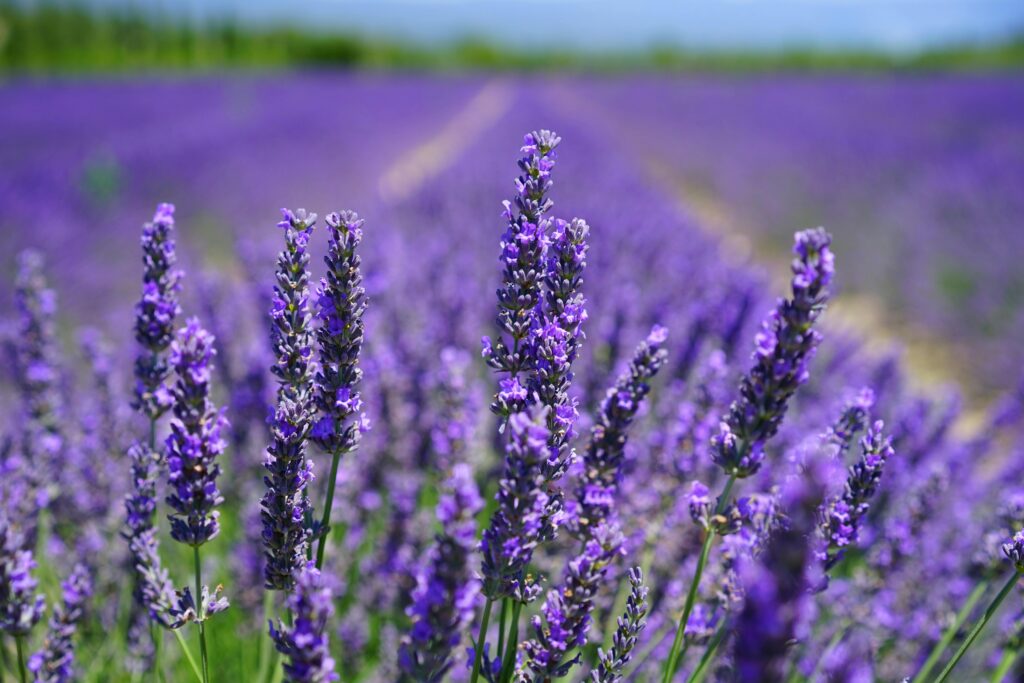
One of the most famous regions is Provence, known for its purple lavender fields that bloom in the summer and fill the air with a sweet scent, inspiring artists and perfume makers.